TAID55
TAID | 國際論壇專題
Evolving from Culture and Tradition toward Environmental and Social Innovation
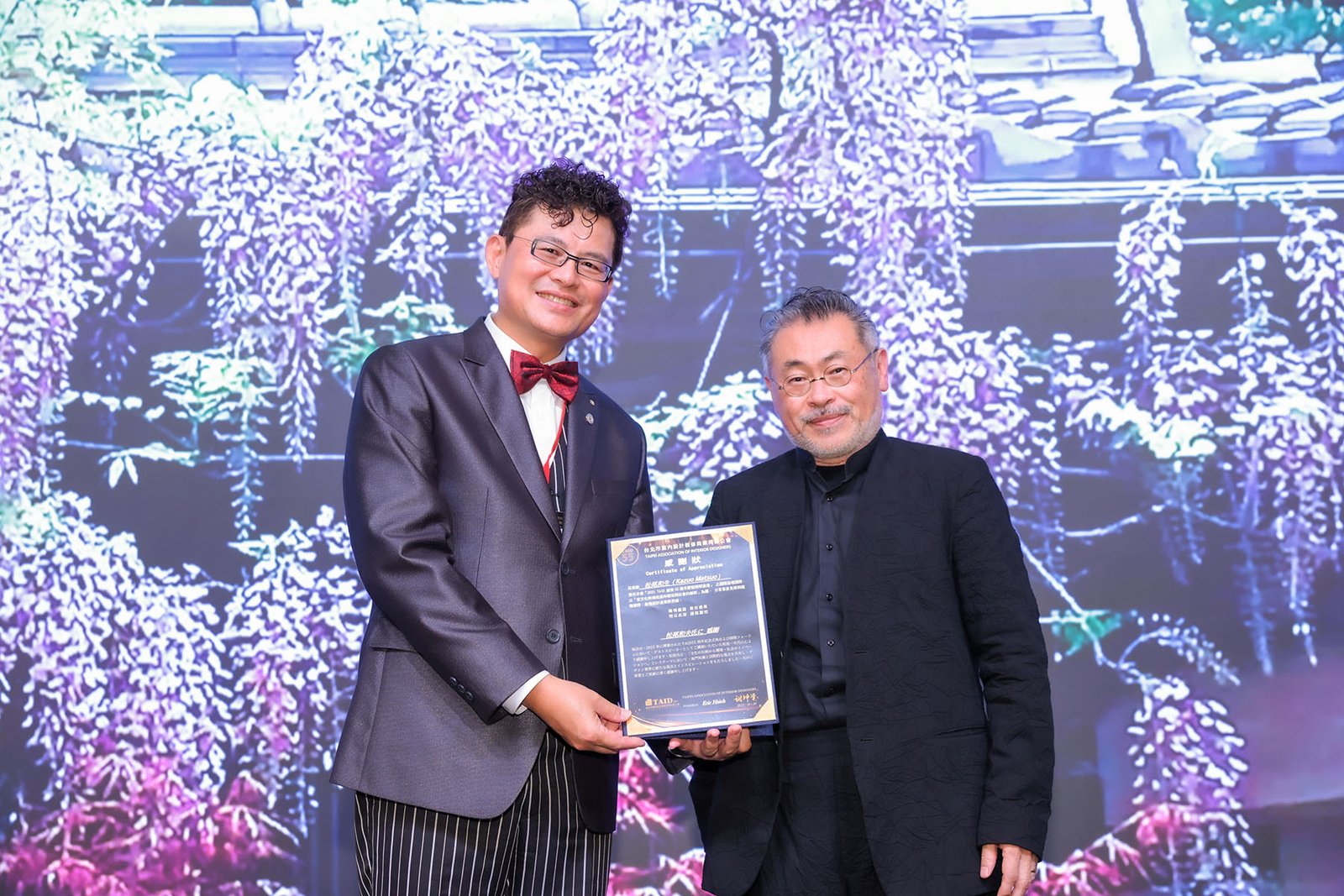
講者|松尾和生 Kazuo Matsuo
1990年4月起,加入株式會社日本設計
歷任該公司首席建築師,目前擔任該公司資深顧問(Fellow)
自入職以來,歷經建築設計組,現在隸屬於專案管理部
時間|2025.10.30
地點|台北漢來飯店
主辦|台北市室內設計裝修商業同業公會(TAID)
贊助|友士股份有限公司 ( 日本 UNION 品牌 )
Evolving from Culture and Tradition toward Environmental
and Social Innovation
The Sustainable Architectural Philosophy and Practice of —Kazuo Matsuo
As cities around the world face climate change, energy transition, and rapid social
transformation, architecture and interior design are no longer merely responses to
functional needs. They have become essential drivers shaping lifestyles and social values.
As part of the 55th Anniversary International Forum of the Taipei Association of Interior
Designers (TAID), renowned Japanese architect Kazuo Matsuo, Fellow of Nihon Sekkei
and Vice President of the Japan Institute of Architects (JIA), was invited to deliver a
keynote lecture titled “Evolving from Culture and Tradition toward Environmental and
Social Innovation.”
Architecture Rooted in Respect for Nature, Culture, and People
“Nature teaches us everything: beauty, life, strength, and weakness.”— Kazuo Matsuo
Matsuo emphasized that the origin of architectural design lies in respect for nature, culture,
and human beings. Japanese architecture and culture are deeply rooted in sensitivity to
natural change and a worldview shaped by Zen philosophy, seeking balance within
contrasts and coexistence amid differences.
Through opposing concepts such as straight and curved, light and shadow, order and
irregularity, and floating and grounding, Matsuo illustrated that architecture should not
pursue a single absolute value, but rather create spaces that resonate with people and
endure over time. This philosophy of “relative aesthetics” forms the core of his design
thinking.
Learning from Tradition: Low-Carbon Architecture Is Not New
“True sustainability has long existed within traditional architecture.”— Kazuo Matsuo
Discussing sustainability and low-carbon design, Matsuo highlighted that traditional
Japanese architecture had already developed wisdom for living in harmony with nature.
Elements such as deep eaves, shoji screens, bamboo blinds, thatched roofs, and air-layer
constructions reduce solar heat gain while utilizing natural light and ventilation to create
comfortable and energy-efficient spaces.
He stressed that contemporary CO₂ reduction strategies should not focus solely on
equipment and technology, but must return to architectural logic and spatial planning.
Only by integrating environmental conditions from the design origin can long-term
sustainability be achieved.
Architecture Responding to Cities, Memory, and Social Responsibility
“Some architecture is born from prayer, aspiration, and respect for the land.”— Kazuo Matsuo
Matsuo presented various public architecture and urban regeneration projects
demonstrating how buildings can balance historical preservation, disaster resilience, and
social responsibility. For example, museums designed with mid-story seismic isolation
systems were likened to “ships carrying history,” protecting cultural assets amid
disaster risks.
In urban renewal and hospitality projects, he showed how light, membrane structures, and
lightweight design strategies can transform neglected and dark urban areas into spaces of
warmth, safety, and vitality, allowing architecture to positively shape urban atmosphere
and social perception.
Cross-Cultural Practice: Dialogue and Collaboration in Taiwan
“The future of cities lies in the integration of people, nature, and transportation.”— Kazuo Matsuo
In the latter part of his lecture, Matsuo shared Nihon Sekkei’s experience in Taiwan,
including large-scale transit-oriented development (TOD) and urban regeneration projects.
He noted Taiwan’s strong urban potential and emphasized the importance of introducing
vertical greenery, public open spaces, and human-centered scale in high-density cities.
By integrating transportation infrastructure with natural elements, Nihon Sekkei proposed
urban visions that balance efficiency, quality of life, and sustainability, demonstrating the
possibilities of cross-cultural collaboration.
Sustainability Is a Long Journey Connecting Culture and People
Matsuo’s lecture was not merely a presentation of architectural works, but a profound
dialogue on values and responsibility in our time. Sustainability, he reminded us, is not a
slogan but a long-term practice that requires patience, understanding, and continuous
commitment.
Through this keynote, the TAID 55th Anniversary International Forum further reinforced
its core vision of low-carbon health and smart sustainability, offering valuable
international perspectives for Taiwan’s interior design and architectural industries.
Instructor Briefing
<< Click to go>>